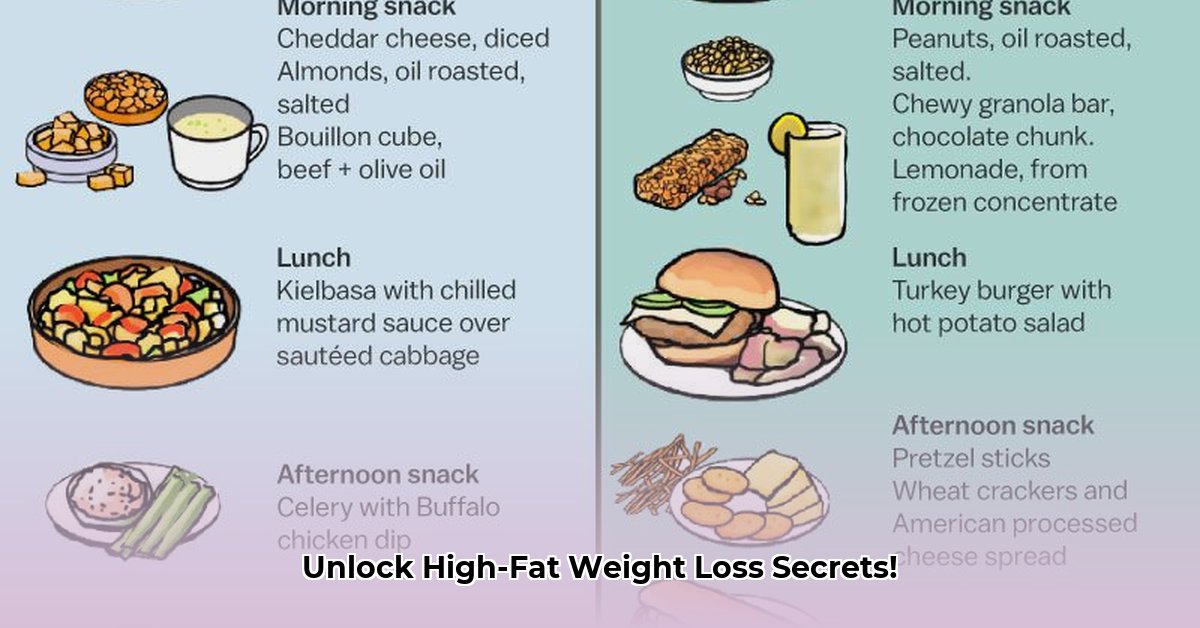
How Keto Works: Your Body's Metabolic Shift
The ketogenic diet (keto) is a high-fat, very-low-carbohydrate eating plan that triggers a metabolic shift in your body. Normally, your body uses glucose (sugar from carbohydrates) for energy. But on keto, the drastic reduction in carbs forces your body to find an alternative fuel source: stored fat. This metabolic switch is called ketosis. Your liver then produces ketones—molecules derived from fat—which your body uses for energy. This process can lead to weight loss as your body utilizes its fat reserves. It's not a quick fix, but a metabolic change that, for many, can yield long-term results. Is it right for you? Let's explore.
Crafting Your Keto Plan: A Step-by-Step Guide
Embarking on a keto diet requires careful planning. This step-by-step guide provides a roadmap to success:
Macronutrient Ratio Mastery: The cornerstone of keto is the macronutrient balance. Aim for approximately 70-80% of your daily calories from healthy fats, 20-25% from protein, and a minimal 5-10% from carbohydrates. This isn't about deprivation; it's about making strategic food choices.
Food Focus: Prioritize healthy fats like avocados, olive oil, nuts, and seeds. Include moderate protein from lean meats, fish, eggs, and poultry. Choose low-carb vegetables such as leafy greens (spinach, kale), broccoli, cauliflower, and asparagus. Limit or eliminate sugary drinks, processed foods, and most fruits (berries in moderation are acceptable).
Sample Meal Plan (adjust portions):
- Breakfast: Scrambled eggs with spinach and cheese; optional bacon or sausage.
- Lunch: Large salad with grilled chicken or salmon, avocado, and a healthy olive oil and vinegar dressing.
- Dinner: Steak or chicken with roasted broccoli and cauliflower.
Hydration is Paramount: Drink ample water throughout the day. Ketosis can increase urination, making hydration crucial.
Listen to Your Body: Pay attention to your body's signals. Adjust food choices and portion sizes accordingly.
Keto's Potential Advantages: What the Research Shows
While more research is needed, studies suggest potential benefits for some:
- Significant Initial Weight Loss: Many experience rapid initial weight loss due to water loss and fat burning. However, long-term maintenance can be challenging. Is the initial weight loss sustainable?
- Improved Blood Sugar Control: Keto may improve blood sugar levels in some individuals with type 2 diabetes. Careful monitoring and consultation with your physician are essential. How does this impact overall health?
- Reduced Triglycerides: Some studies indicate keto may lower triglyceride levels (a type of blood fat). Is this reduction clinically significant?
- Increased Energy (for some): Many report increased energy after the initial "keto flu" phase. What factors influence energy levels on keto?
Important Note: Reported benefits are often short-term; long-term effects require further study. Individual results vary considerably.
Keto's Potential Downsides: Addressing the Challenges
It's crucial to acknowledge potential drawbacks:
- "Keto Flu": Common initial symptoms include headaches, fatigue, and nausea. These are usually temporary and improve as your body adapts. Staying hydrated is key. How can we mitigate the "keto flu"?
- Nutrient Deficiencies: Restricting food groups can lead to deficiencies. Supplements and careful meal planning are vital. What nutritional strategies can prevent deficiencies?
- Digestive Issues: Constipation is common due to lower fiber intake. Increasing water intake and consuming high-fiber vegetables can help. What dietary adjustments improve digestion on keto?
- Kidney Stones: Increased protein intake may increase kidney stone risk, especially for those predisposed. Are there strategies to minimize this risk?
- Long-Term Sustainability:The restrictive nature makes long-term adherence difficult for many. How can we increase long-term adherence?
Long-Term Keto: Sustainability and Transition Strategies
Maintaining keto long-term can be challenging. Weight regain is common upon cessation. A gradual transition to a balanced diet is often recommended to avoid rapid weight fluctuations and support overall health. What are the best strategies for a safe and gradual transition off the Ketogenic diet?
Keto: Who Should (and Shouldn't) Try It?
Keto isn't for everyone. Consult your doctor before starting, especially if you have: kidney or liver disease; pancreatitis; gallbladder problems; specific heart conditions; or type 1 diabetes (keto is generally not recommended for type 1).
Dr. Anya Sharma, MD, a leading endocrinologist at the University of California, San Francisco, cautions, "While keto can be beneficial for some, it's crucial to understand your individual health profile before undertaking such a restrictive diet."
Conclusion: A Balanced Approach to Keto
The ketogenic diet offers potential benefits, but it's vital to weigh the risks and consult a healthcare professional before beginning. A balanced approach encompassing diet, exercise, and adequate sleep is essential for long-term well-being. Remember, this is a journey, not a race. The right plan for you is one that prioritizes your overall health and sustainability.